The idea
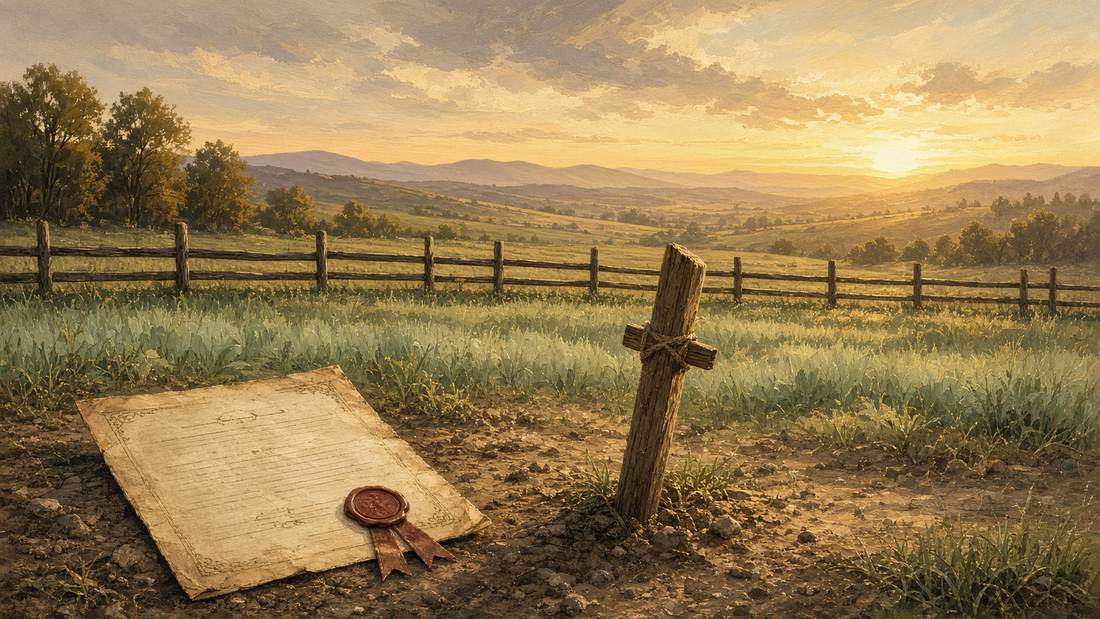
A photo proves a picture exists. A deed / title record is the off-chain legal trail for land claims. A is a ledger pointer plus a promise — useful only if you can check the place and the papers. This stop does not sell a plot in class.
Sponsored by LiquidAcre
picture, papers, and the dirt · sponsor stop (LiquidAcre) — education only, no cart
The idea
A photo proves a picture exists. A deed / title record is the off-chain legal trail for land claims. A is a ledger pointer plus a promise — useful only if you can check the place and the papers. This stop does not sell a plot in class.
Why it matters
Sponsored lanterns light the lesson; they do not put a checkout cart in the classroom. Leave with a sharper eye (and Acre Ranger if you pass), not a purchase.
How it works
Land claims live in two worlds. Off the chain, a local government office keeps the official records of who owns a piece of land, usually as deeds and title records. Courts and buyers rely on that record. On the chain, a token can point to a parcel, but the ledger has no way to visit the dirt or read the county book. It records whatever the issuer wrote down.
So a land-related token works only as well as the bridge between those two worlds. Someone must hold the legal title, a document must say what the token gives you, and a process must handle sales, disputes, and what happens if the company fails. If any piece is missing, you hold a pointer and a promise, not the land.
Real example: a company sells tokens and says each one is a share of a farm. To check it, you would look up the parcel in the county records, see whose name is on the title, and read the agreement that ties token holders to that title. Source: Non-Fungible Tokens.
Record → token
County title records live off-chain; a land-related token is a pointer plus a promise.
Step 1Off the chain, a local government office keeps the official records of who owns a piece of land, usually as deeds and title records.
Picture it
Postcard on a fence = image. County book = title records. Claim ticket = token pointer.
Watch out
“Buy the acres in the JPEG” energy — if you cannot name place, papers, and what happens if the company vanishes, walk away.