The idea
A (decentralized autonomous organization) tries to coordinate with proposals and token-weighted votes (often) instead of a single CEO — but large holders (“whales”) and can still dominate.
Group 3 · Building on it
how a town votes
The idea
A (decentralized autonomous organization) tries to coordinate with proposals and token-weighted votes (often) instead of a single CEO — but large holders (“whales”) and can still dominate.
Why it matters
“Decentralized” in the name is a claim. Check vote weight and who can pause the system.
How it works
A DAO usually runs on a set of smart contracts plus a community that uses them. Someone writes a proposal, such as “pay this team from the treasury” or “change this fee setting,” and posts it with an exact code change attached. Members vote during a set window, often with one vote per token held. If the proposal passes the required threshold, the change is carried out, sometimes automatically after a waiting period.
Two things shape who really holds power. First, vote weight: someone with a large share of tokens can outvote a crowd of small holders. Second, special keys: many systems keep an admin key or multi-signature group that can pause contracts or push upgrades, which is useful in emergencies but is still a form of central control.
Real example: XRP Ledger AMM pools use token-weighted voting. Liquidity providers vote on the pool’s trading fee, each vote weighted by how many LP tokens they hold, and only the 8 largest holders’ votes count. Source: Automated Market Makers.
Picture it
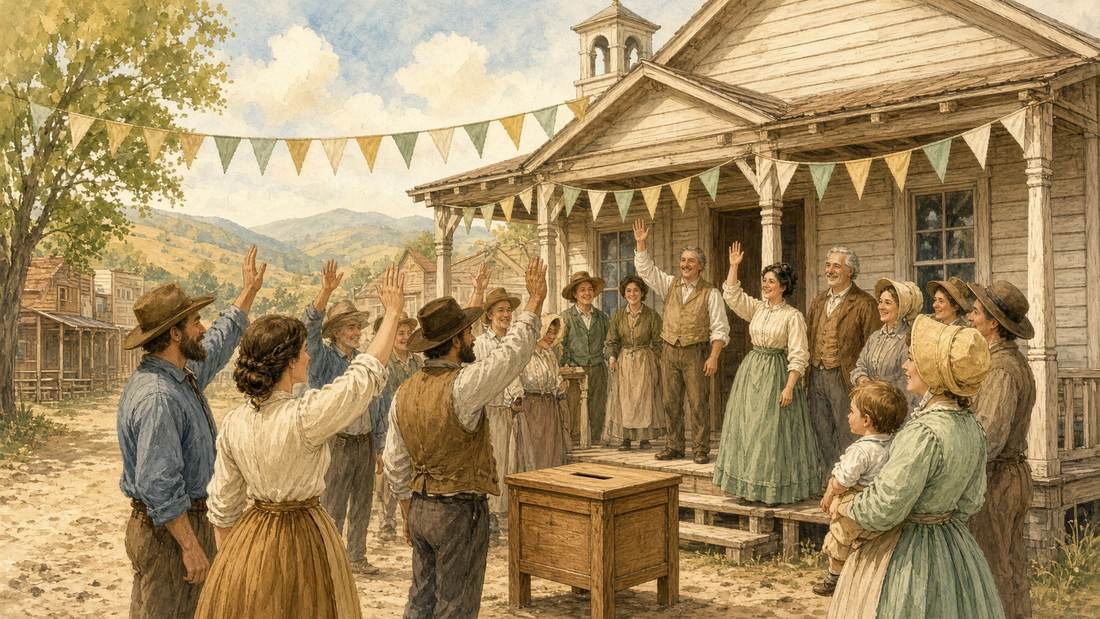
Town meeting where votes scale with how many shares you hold = many DAOs. A hidden brake pedal = .
Watch out
Voting yes on a proposal title without reading the actual parameter change or treasury spend.