The idea
A is the ID people use to send you crypto. A is the secret that proves you control that address and that lets you move the coins. A proves you hold the private key without showing the key itself.
Group 1 · The basics
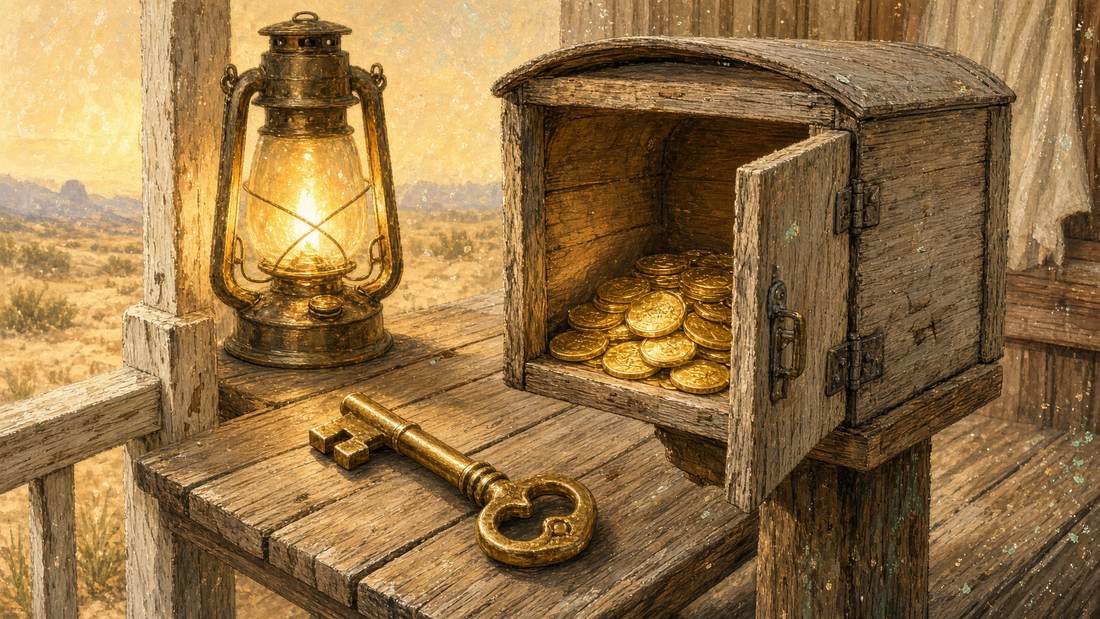
the mailbox and the key
The idea
A is the ID people use to send you crypto. A is the secret that proves you control that address and that lets you move the coins. A proves you hold the private key without showing the key itself.
Why it matters
If someone gets your private key (or a seed that can rebuild it), they can empty the account — there is no bank “forgot password” desk on the chain. If you only share your public address, others can pay you without gaining control of your funds.
How it works
Your wallet creates a pair of linked numbers. The private key is the secret one. From it, math produces a public key, and from that comes your public address. The math only runs one way: anyone can see your address, but nobody can work backward to find the key.
When you want to move funds, your wallet writes an instruction such as “send 10 to this address” and uses the private key to make a signature, a stamp that only that key could make for that exact message. Computers on the network check the stamp against your public key. If it matches, they know the owner approved it, and the key itself never left your device.
Real example: on the XRP Ledger, every transaction must carry a valid signature from the sending account’s key before servers will even consider it. Change one digit in the amount, and the old signature no longer fits, so the edited instruction gets rejected. Source: Cryptographic Keys.
Key → signature → address
Private key makes a signature and, through one-way math, a public address.
Step 1The private key is the secret one.
Picture it
Mailbox number = (safe to share). Key to the mailbox = (never share). Signing a send = proving you have the key without handing the key over.
Watch out
Anyone who asks you to “verify” by typing your private key or seed into a website, chat, or “support” form is trying to steal the account. Close it.